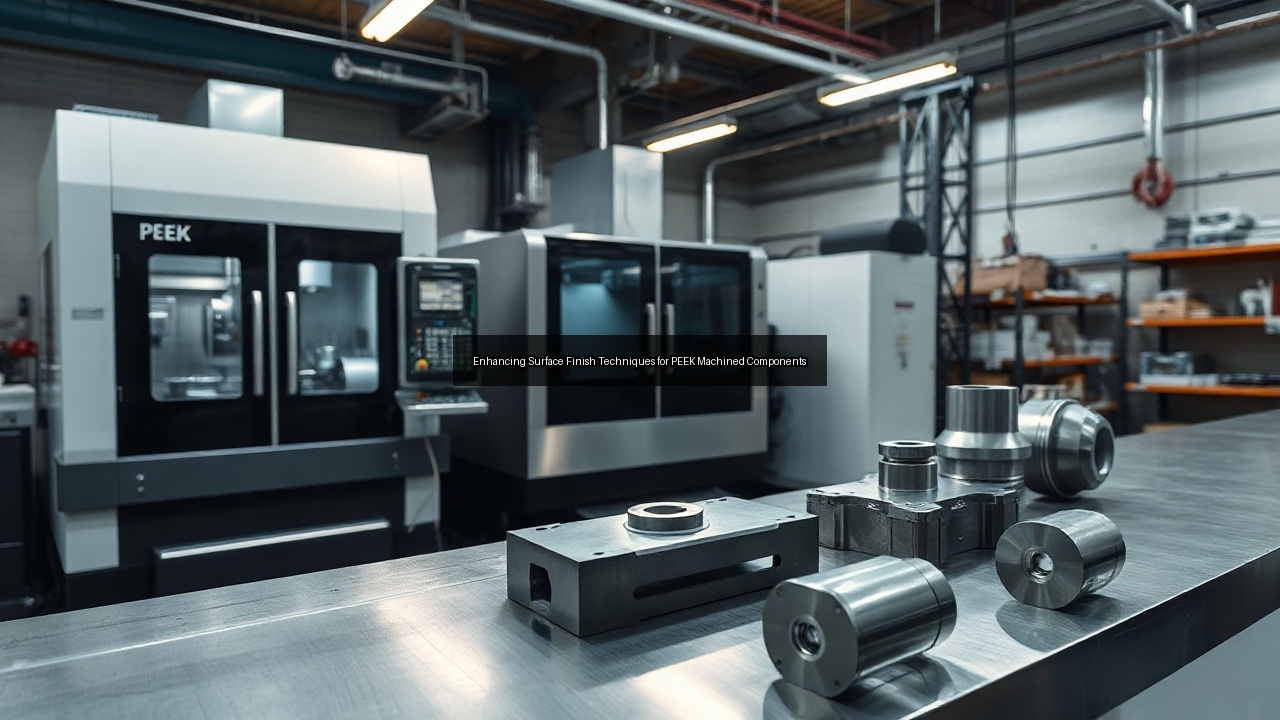
Enhancing Surface Finish Techniques for PEEK Machined Components
Understanding PEEK and Its Machining Characteristics
Introduction to Polyether Ether Ketone (PEEK)
Polyether ether ketone, commonly known as PEEK, stands out as one of the most versatile engineering plastics available today. This high-performance thermoplastic exhibits exceptional thermal stability, mechanical strength, and chemical resistance. Industries such as aerospace, automotive, and medical increasingly turn to PEEK because of its ability to withstand harsh environments and maintain structural integrity over time. The inherent properties of PEEK make it suitable for a variety of applications, especially in components that demand precision and reliability. Its resistance to high temperatures and aggressive chemicals positions PEEK as an ideal candidate for demanding engineering applications.
Properties of PEEK that Influence Machining
The unique properties of PEEK significantly influence the machining process and the quality of the resulting machined PEEK parts. With a glass transition temperature around 143°C, PEEK maintains its rigidity and strength even at elevated temperatures. Additionally, its low coefficient of friction minimizes wear and tear during machining. However, these characteristics also present challenges. The high melting point of PEEK requires specialized tools and techniques to achieve optimal results. Its toughness can lead to increased tooling costs and may complicate the machining process, necessitating precise control over machining parameters to prevent defects.
Challenges in Machining PEEK Parts
Machining PEEK parts poses several challenges that technicians and engineers must address to achieve desired tolerances and surface finishes. One major hurdle involves managing the heat generated during CNC machining, as excessive heat can lead to material deformation or compromised structural integrity. Tool wear is another critical concern; as tools encounter the dense nature of PEEK, they can dull more quickly than when machining softer plastics. Additionally, achieving a fine surface finish can be difficult due to the material's toughness, which may require multiple finishing operations. Understanding these challenges is essential for anyone involved in PEEK machining, as they directly affect production efficiency and the quality of the final product.
Techniques for Achieving Optimal Surface Finish on PEEK Components
CNC Machining Techniques for PEEK
Utilizing CNC machining techniques is essential for producing high-quality PEEK machined parts. CNC milling provides the precision necessary for intricate designs, allowing for complex geometries and tight tolerances. Effective CNC machining techniques include selecting the appropriate spindle speeds and feed rates, as these factors directly influence the surface finish. Lower feed rates often yield smoother surfaces but require more time, while higher speeds can increase production efficiency at the risk of poorer surface quality. Employing coolant or lubricant during machining can also help manage heat and improve the finish. Understanding how to optimize these parameters helps machinists achieve better outcomes when working with PEEK.
CNC Milling Strategies for Improved Surface Finish
Specific CNC milling strategies can enhance the surface finish of PEEK components significantly. One effective approach is to utilize climb milling, which helps reduce tool wear and improves the overall surface finish. This technique involves the cutting tool engaging the material from its thickest part, ensuring a smoother cut. Additionally, using multi-flute end mills can distribute the cutting force more evenly, allowing for finer finishes. Furthermore, proper toolpath optimization minimizes the chances of leaving machining marks or burrs on the surface. Employing these strategies not only improves the quality of PEEK machined parts but also enhances production efficiency by reducing the need for extensive post-machining finishing processes.
Role of Tool Selection and Fixture Design
Tool selection plays a pivotal role in achieving high-quality surface finishes on PEEK machined parts. Utilizing carbide or ceramic tools can significantly enhance cutting performance and tool longevity. Moreover, the design of fixtures is equally crucial; it must secure the workpiece firmly to prevent vibrations during machining, which can lead to surface imperfections. Properly designed fixtures facilitate consistent machining operations and maintain tolerances throughout production runs. Engineers should focus on both tool and fixture design to optimize machining processes, ensuring that the final PEEK components meet stringent quality and performance criteria. This dual focus leads to enhanced productivity and reduced costs in the long run.
Addressing Tool Wear and Cost Considerations in PEEK Machining
Impact of Tool Wear on Surface Finish and Tolerance
Tool wear significantly impacts the quality of surface finish and the tolerances achievable in machining PEEK parts. As tools wear down, they lose their cutting edge, resulting in a rougher surface finish and potentially compromising dimensional accuracy. Monitoring tool wear closely allows machinists to replace tools before performance declines, ensuring that the surface finish remains consistent. Regular tool inspections and replacements can prevent costly rework and increase overall productivity. Additionally, understanding the wear patterns associated with different machining conditions enables engineers to fine-tune processes, extending tool life and maintaining high-quality standards in PEEK machining operations.
Cost-Effective Machining Solutions for PEEK Parts
Cost considerations are paramount in the machining of PEEK parts. The high material costs associated with PEEK require manufacturers to optimize their processes for cost efficiency. One effective strategy involves investing in high-quality tools that provide better durability and performance, ultimately reducing the frequency of tool changes and associated downtime. Additionally, implementing advanced CNC technologies can streamline workflows and reduce cycle times, leading to more economical production runs. Exploring automation within machining processes can also drive down labor costs and enhance overall efficiency. By adopting these cost-effective solutions, manufacturers can maximize the profitability of machining PEEK components while maintaining quality.
Using Zinc Coatings to Enhance Tool Longevity
Applying zinc coatings to cutting tools represents a practical solution for enhancing their longevity during PEEK machining. Zinc coatings reduce friction and create a protective barrier against wear, significantly extending tool life. This approach minimizes the frequency of tool changes, contributing to lower operational costs and increased efficiency. Furthermore, zinc-coated tools exhibit improved performance in high-temperature environments, which is particularly beneficial when machining high-performance plastics like PEEK. Incorporating zinc coatings into the machining process not only addresses tool wear issues but also promotes consistent quality in the machined PEEK parts, optimizing overall production output.
Applications and Future Trends in PEEK Machined Parts
PEEK in Engineering Applications: Valves and Beyond
The use of PEEK in engineering applications has expanded significantly, particularly in manufacturing valves and other critical components. PEEK's exceptional chemical resistance and mechanical properties make it suitable for high-stress applications where reliability is crucial. Industries such as aerospace and automotive utilize PEEK machined parts for valve components that require high-performance materials capable of withstanding extreme conditions. The trend toward lightweight materials in engineering further drives the adoption of PEEK, as it offers a combination of strength and reduced weight. As demand grows for durable, reliable components, the future of PEEK in engineering applications looks promising.
Innovations in Injection Molding vs. CNC Machining PEEK
While injection molding remains a popular method for producing PEEK components, CNC machining offers distinct advantages, particularly for precision applications. CNC machining allows for greater design flexibility and the ability to create complex geometries that injection molding may not easily achieve. Innovations in CNC machining technologies continue to enhance the efficiency and effectiveness of producing PEEK machined parts. However, the choice between injection molding and CNC machining often depends on the specific application and production volume. Understanding these differences helps manufacturers select the best method for their needs, balancing cost, quality, and production efficiency.
Future Trends in PEEK Surface Finishing Techniques
The future of PEEK surface finishing techniques holds exciting possibilities as technology continues to advance. Innovations such as laser machining and advanced polishing methods are gaining traction, offering new ways to achieve superior surface finishes on PEEK components. Increasingly, manufacturers focus on developing eco-friendly machining practices that minimize waste and reduce environmental impact. As industries demand more sustainable solutions, integrating such practices into PEEK machining processes will become crucial. Staying ahead of these trends will empower manufacturers to produce high-quality PEEK machined parts that meet evolving market demands while adhering to sustainability standards.